
By Blair Anderson
This last spring and summer I did a series of interviews with Kai Sia during the process of her creation of a body of work as an Exnihilo Artist In Residence at SilverWorks in Glen Echo Maryland. Kai has been working as an apprentice in my studio for the past year.
Blair: Kai, you are only 21 years old, what originally attracted you to this art form?
Kai: I didn’t know I could do this. I came to your studio to study the art so that I could help my mother produce her designs. After learning some basic fabrication skills you introduced me to lost wax casting.
Blair: What happened then?
Kai: I sculpted my first ring, an octopus. I had never sculpted before. I was hooked.
Blair: After 6 months you were selected to participate in the Exnihilo Jr Artist Residency Program. How did that experience expand you as an artist?
Kai: Well, having unlimited time in a studio with all the tools was pretty amazing. But what was most impacting was the constant instruction through the free classes and working under other students at the studio and artists in the program. You can’t buy that kind of experience.
Blair: Part of the program culminates in a gallery exhibition of your work. What was that like?
Kai: I was excited about the idea. Even though I was working on a few pieces it hit me one day that the exhibit was coming up and I kind of freaked out. It was a little overwhelming at first, but then I got to work and the body of work started to flow out of me. I would lose track of time when I was carving the wax.
Blair: Tell me about the bees and how did the plight of the honey bee enter into this body of work?
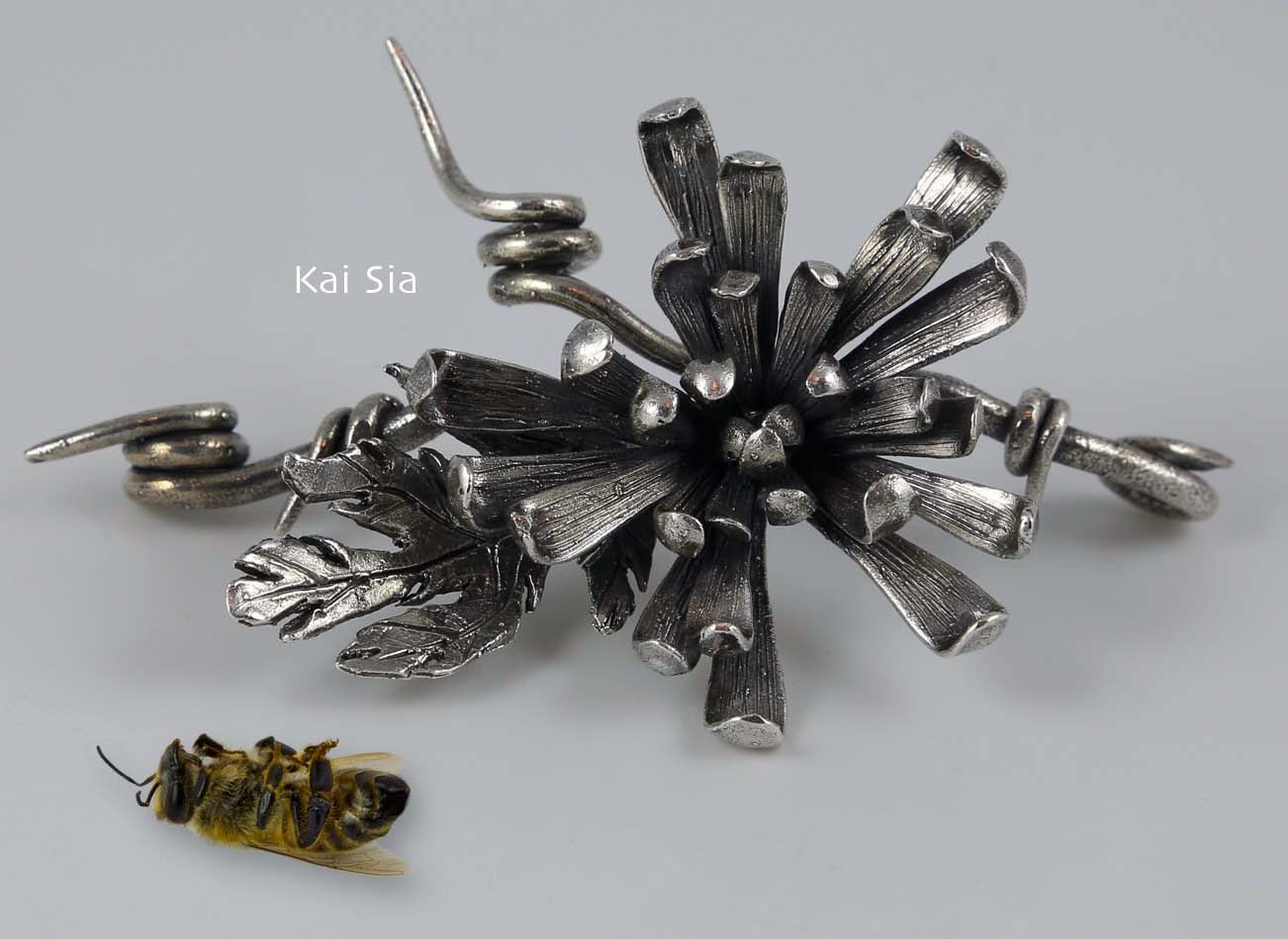
Kai: I wanted to express how sometimes our material consumption as a culture can be damaging to nature. A beautiful flower cast in silver is my symbol of something toxic to nature. For the bee it is unapproachable and useless. A genetically modified flower can be deadly to a bee. The pollen will stick to the bee and she will spend hours trying to brush it off.
Blair: Why the chrysanthemum?
Kai: I spent my younger years living with my grandparents and family in the Hong Kong countryside. I chose the chrysanthemum as an icon because it is an introduction to my heritage and to me as an individual and it seemed like it would be one of the hardest flowers to carve out of wax and I wanted to challenge myself. But the choice of the flower really doesn’t matter for the message that I wished to convey. What is happening to the bees is not only tied to all plants. It is tied to all of us and the world’s condition because bees sustain the food supply.
Blair: What got you interested in the plight of the bees in the first place?
Kai: I saw this report where orchards in China have to be hand pollinated because the bees are completely gone from over use of pesticides. How crazy is that? And it is happening all over the world.
Blair: How did your residency experience help you understand this at a deeper level?
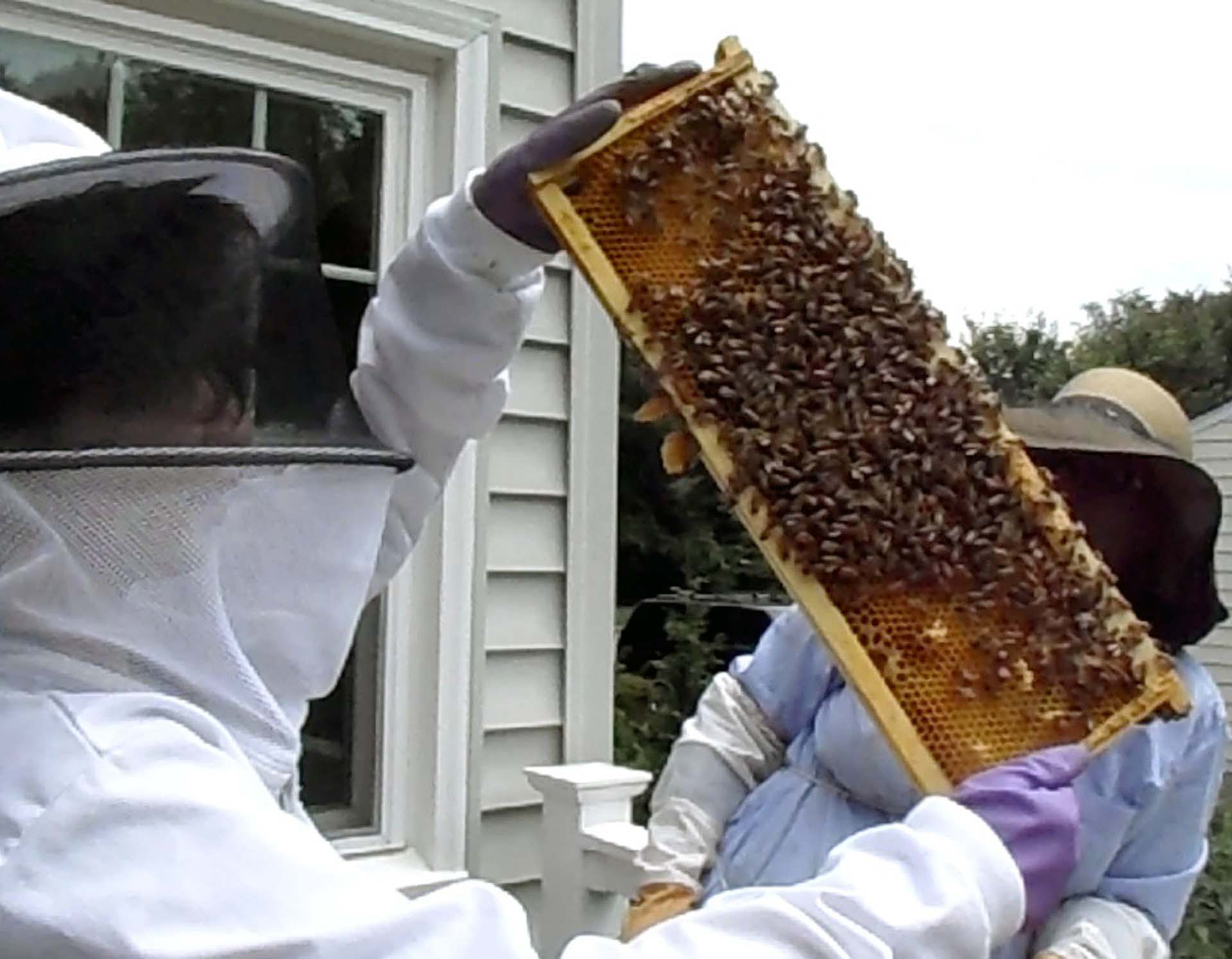
Kai: They took me to a local apiary. It was an awesome experience. The bee keeper, Summer Obrien put us in beekeeper suits and showed us the hives. It was amazing. The bees were very docile. She explained in depth about the way bees live and work and what kind of trouble we are in without them. One third of everything we eat depends on pollination. The reduction of the number of bees worldwide is alarming. We need to acknowledge the problem so we can address it. And there are things we can do.
Blair: What are some of those things?
Kai: Don’t use pesticides in your yard or garden. Don’t buy genetically modified food. That supports a whole industry that effects the bees. Plant wild flowers in your yard. This provides nutrition for the bees. Buy local honey to support your local bee keeper. Stay on top of politicians who create legislation that directly effect the plight. It is a worldwide problem but each country can do its part.
During the exhibit Kai’s silver chrysanthemums (rings, pendants and bracelets) were displayed surrounded by hundreds of dead honey bees as a catalyst for conversation. Honey from around the world was available for tasting. Many patrons took home her work after passionate discussions. Wearable art that will continue the discussion.
How can art save the honey bee? In this case by one exhibit raising awareness to a plight that some people are still completely unaware of.
Blair Anderson is co-founder of Exnihilo Art Center and director of SilverWorks Studio and Gallery.